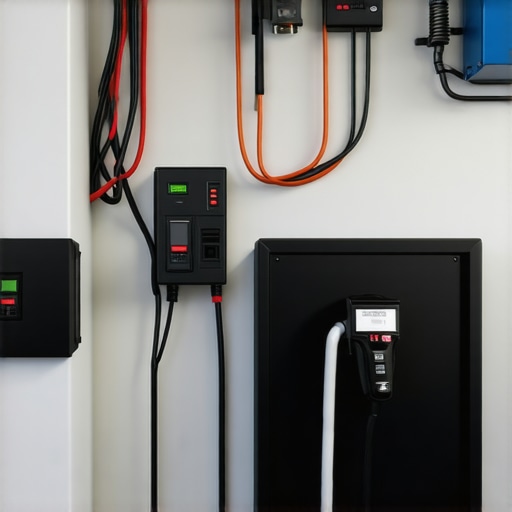

Panel Upgrades & Code Compliance: Ensure Safe EV Charging at Home
I remember the moment it hit me—scanning my driveway, realizing that my home’s electrical setup was dessert worn, not ready for the EV revolution I had just enthusiastically embraced. I had installed an EV charger myself, thinking I was saving a few bucks, but what I overlooked was the importance of ensuring that my panel upgrade met local code standards. That oversight almost cost me more than I bargained for, both financially and in terms of safety. It was a lightbulb moment, and I knew I wasn’t alone in this struggle.
Why Proper Panel Upgrades Matter for Home EV Charging
Transitioning to electric vehicles isn’t just about swapping your gas pump for a charger. It involves making sure your home can safely handle the increased electrical load. An inadequate panel or improper installation can lead to serious safety hazards, including electrical fires and costly damage. From my early mistake, I learned that a certified, code-compliant upgrade isn’t just a recommendation—it’s a necessity. Experts agree that proper wiring and compliance reduce risks significantly, with the U.S. Fire Administration citing electrical malfunction as a leading cause of home fires involving EV chargers (U.S. Fire Administration).
To ensure your home’s electrical system can support your EV charger safely, understanding the basics of panel upgrades and code requirements is essential. Today, I’m going to guide you through the crucial steps to upgrade your electrical panel correctly and make sure your setup is both safe and efficient. Ready to ditch the guesswork and avoid my mistakes? Let’s get started.”}It’s important to recognize that many homeowners face similar challenges when upgrading their electrical systems for EV charging, often due to a lack of clear guidance. If you’ve experienced issues like tripped circuits or suspect your panel isn’t up to the task, you’re not alone. Ensuring your system meets current code standards is paramount for safety and performance. Need tailored advice on your specific setup? Feel free to [reach out](https://brightsparkzelectric.com/contact-us). Now, let’s dive into why a proper panel upgrade isn’t just about power—it’s about peace of mind.
Assess Your Current Electrical System Carefully
Start by performing a thorough inspection of your existing electrical panel and wiring. Turn off the main breaker and open the panel door. Visually check for signs of damage, corrosion, or overloaded circuits. Use a multimeter to measure voltage levels and verify if circuits are functioning within safe ranges. During my own upgrade, I found a partially worn bus bar that needed immediate attention—leaving it unaddressed could have led to a dangerous situation. Document current breaker sizes and circuits, as this information guides your upgrade plan.
Determine the Power Needs for Your EV Charger
Identify the amperage and voltage requirements specified by your EV charger manufacturer. For most Level 2 chargers, a dedicated circuit of at least 40-50 amps is recommended. Think of your existing panel as a highway; adding an EV charger is like creating a new lane—the infrastructure must support the increased traffic without congestion. Using tools or consulting a professional ensures you select the right breaker size and wiring gauge, minimizing risks of overheating or overload. You can find detailed guidance on this process at this resource.
Plan Your Panel Upgrade Strategy
Based on your assessment, decide whether a full panel replacement or an addition (sub-panel) is needed. If your current panel is nearing capacity or outdated, a replacement offers more space and better safety features. For smaller upgrades, adding a new breaker and circuit may suffice. During my project, I opted for a full replacement because the panel was old and lacked sufficient capacity, which simplified the wiring and future-proofed my home.
Consult Local Electrical Codes
Before proceeding, review your local wiring codes and standards. This step ensures compliance and safety—akin to knowing the traffic rules before building a new road. You can verify your setup and plan accordingly by referring to this guide. Remember, a permit and inspection might be required, so check with your local authorities to avoid legal issues.
Choose Quality Components and Materials
Select a panel that complies with UL standards and is rated for your home’s power requirements. Use appropriately rated wiring—copper conductors are standard—and install high-quality breakers designed for your panel. Think of it as choosing reliable parts for a safe, durable machine. Using inferior components can compromise safety and invalidate your warranty, so don’t cut corners. Resources like this article can help you select the right equipment.
Work with a Licensed Electrician for the Installation
Electrical panel upgrades involve complex wiring and safety considerations. Even if you have some experience, hiring a licensed electrician ensures the job meets all safety and code requirements, preventing hazards like fires or electric shocks. During my upgrade, I coordinated with professionals who meticulously followed all standards, including proper grounding and labeling, which made future inspections smooth. They also handled necessary permits and inspections, keeping the process seamless and compliant.
Verify and Document compliance after Completion
Once installed, verify that the upgrade adheres to all applicable codes. Use a tester or consult your electrician to ensure circuits are correctly wired and grounded. Documentation and receipts serve as proof for future inspections or selling your home. For peace of mind and legal protection, review this guide for detailed verification procedures.
By methodically following these core steps—assessment, planning, component selection, professional installation, and verification—you ensure your home’s electrical system supports safe, reliable EV charging. A meticulous approach prevents costly mistakes and guarantees your system’s long-term safety and performance, so you can confidently power up your electric vehicle without worry.
Many homeowners believe that troubleshooting EV chargers is straightforward—plug in, press a button, and hope for the best. However, this oversimplification can lead to overlooked issues that are critical for safety and performance. A common myth is that if an EV charger stops working, replacing the device is the immediate solution. In reality, many problems stem from underlying electrical system issues or non-compliant upgrades, which can pose safety risks and cause recurrent faults. Rushing to replace the charger without thorough diagnosis can mask deeper problems, leading to costly repairs or safety hazards. It’s essential to approach troubleshooting with a methodical mindset, considering system diagnostics, proper grounding, and code compliance, rather than relying solely on trial-and-error.
One often-ignored nuance is the importance of verifying that your electrical panel upgrade has been executed according to local code standards. Many assume that hiring any licensed electrician guarantees safety, but not all upgrades comply fully with latest standards. For example, outdated panels or improper wiring gauge might seem sufficient temporarily but can become dangerous as your system is stressed under high load conditions, such as when charging an EV. According to experts in electrical safety, non-compliance with standards like UL or NEC regulations significantly increases the risk of fire or electric shocks. This is why verifying your upgrade’s compliance, and keeping documentation, is vital for long-term safety.
Furthermore, advanced troubleshooting isn’t just about resolving faults but understanding the complex interactions within your electrical system. For instance, miswiring or an overloaded circuit can cause intermittent charger failures that appear as device issues but originate elsewhere. An often-overlooked mistake professionals warn against is neglecting the importance of proper circuit protection. Installing underrated breakers or using incompatible wiring components can cause nuisance trips or, worse, failures to trip during faults—posing safety hazards. Owners should consider consulting comprehensive resources like this [guide to code compliance](https://brightsparkzelectric.com/ensuring-code-compliance-when-installing-ev-chargers), ensuring every component from wiring gauges to breaker ratings aligns with safety standards.
A question that comes up frequently among seasoned DIY enthusiasts and professionals alike is: How can I detect subtle compliance issues before they cause hazards? The answer lies in meticulous inspection and testing—using multimeters, thermal imaging, and consulting with licensed electricians. Visual cues like scorch marks, melting insulation, or corroded connectors are symptoms of larger problems, often related to poor wire sizing or inadequate grounding. Testing voltage levels and continuity, especially after upgrades, confirms system integrity. Remember, a proper initial assessment saves time and prevents future disasters.
In conclusion, let’s dig deeper into what most people get wrong about troubleshooting and code compliance. It’s tempting to overlook the finer details, but doing so can compromise safety and reliability. Rushing through installations or ignoring subtle signs of non-compliance can have serious consequences. The hidden nuance is that troubleshooting isn’t just fixing an immediate glitch—it’s proactively ensuring all components work harmoniously within your system’s standards. Think of your electrical setup as a finely tuned machine: every part must meet strict standards, or risks are inevitable. Have you ever fallen into this trap? Let me know in the comments.
How Do I Keep My EV Charging System in Top Shape Over Time
Ensuring your electric vehicle charger continues to operate safely and efficiently requires more than just initial installation. Regular maintenance and the right tools make all the difference in preventing failures and prolonging system lifespan. I personally rely on a set of specific equipment and routines that help me stay ahead of potential issues. For instance, a high-quality digital multimeter is indispensable for testing voltage and continuity, allowing me to quickly identify wiring issues or voltage drops that could compromise safety. I use models like the Fluke 115, renowned for their accuracy and durability, which provides peace of mind during routine checks.
In addition, thermal imaging cameras have become invaluable. They enable me to detect hotspots or abnormal heat buildup in wiring or breakers, which is often an early indicator of overloads or defective components. I prefer the FLIR TG165, known for its affordability and reliability, helping me spot issues before they escalate. Pairing these tools with a reliable circuit tester ensures that circuits are functioning within safe parameters, complying with the standards outlined in this resource.
Supplementing hardware checks with software monitoring is the next step. Many smart EV chargers offer diagnostic features that track usage and alert you to potential faults. I recommend integrating a home energy management system like Sense or Neurio, which can provide real-time data on electrical loads and help identify anomalies early. Staying on top of firmware updates from the manufacturer ensures your system benefits from the latest security patches and performance improvements, extending the longevity of your setup.
Looking ahead, I predict that advances in IoT and AI integration will make proactive maintenance even more accessible. Future systems may self-diagnose issues and recommend specific actions remotely, reducing the need for manual inspections. For now, leveraging current tools effectively and establishing regular check routines are your best bet to keep your EV charging station running smoothly.
What Makes Routine Inspection Crucial for Long-Term Safety
Developing a habit of regular inspections helps you catch minor problems before they evolve into major hazards. I schedule quarterly visual inspections of wiring, breakers, and connections, looking for signs of wear, corrosion, or overheating. Maintaining a detailed log of these checks assists in tracking system health over time and facilitates troubleshooting if issues arise. Remember to verify that your electrical panel’s upgrade remains compliant with current codes—this adds an extra layer of assurance. You can consult this guide for expert insights on maintaining code adherence.
Experiment with incorporating remote monitoring solutions, as they offer unparalleled convenience for ongoing maintenance. For instance, installing a smart circuit breaker that provides alerts directly to your phone can dramatically reduce downtime and prevent dangerous conditions. Don’t forget that periodic professional inspections, especially after any electrical work or significant load changes, are vital for comprehensive safety. These checks help ensure all components meet the latest safety standards, reducing risks associated with outdated or damaged wiring.
As your home EV charging infrastructure evolves, keep tools like the multimeter and thermal camera in prime condition—calibrate them annually to ensure accuracy—and stay informed about the latest code standards. Safe, efficient charging depends on consistent oversight, so make routine inspections a core part of your maintenance strategy.
Feeling empowered? I encourage you to try using a thermal imaging camera during your next inspection. Spotting potential issues early can save you money and increase safety—plus, it’s surprisingly straightforward once you get the hang of it. Remember, maintaining your system isn’t a one-and-done task but an ongoing process of vigilance.
The Hardest Lesson I Learned About Troubleshooting, EV Chargers, Panel Upgrades, and Code Compliance
One of the most valuable lessons came from my own oversight—believing that a DIY upgrade was sufficient without verifying code adherence. I realized that rushing through protective measures and ignoring detailed inspections could introduce risks I wasn’t prepared for. Patience and meticulousness are crucial, especially knowing that adhering to standards isn’t just legal—it’s about safeguarding your home and loved ones.
3 Myths About Panel Upgrades and Code Compliance That Held Me Back
Initially, I thought upgrading my electrical panel was a straightforward swap, but I learned that selecting affordable parts or neglecting permits could jeopardize safety and insurance coverage. Disregarding local codes and relying on non-certified components might seem cost-effective but can lead to fire hazards or costly rework, emphasizing the importance of expert advice and quality materials.
What Experts Won’t Tell You About Troubleshooting and Safe EV Charging
Many professionals keep quiet about how seemingly minor issues, like loose connections or outdated wiring, can cause repeated failures. The hidden nuance is that continuous monitoring and regular professional inspections are your best defense against evolving hazards. Relying solely on equipment troubleshooting without understanding the electrical foundation is a gamble that could have serious consequences.
Curated Resources to Elevate Your Electrical Safety Game
My go-to tools include the recommended troubleshooting guides that offer step-by-step solutions, ensuring I don’t overlook critical safety checks. Additionally, investing in a high-quality multimeter and thermal imaging camera has transformed how I spot potential hazards proactively. These tools have become indispensable in maintaining peace of mind with my EV charging setup.
Empower Yourself to Keep the Power Flowing Safely
Your home’s electrical health directly impacts your safety and the longevity of your EV charger. Regular inspections, using expert-recommended tools, and staying informed about code updates are simple yet powerful steps you can take today. Embrace a proactive mindset—think of your system as a living entity that needs attentive care to support your green driving journey confidently. Remember, a safe, reliable EV charging experience is within your reach when you prioritize knowledge and vigilant maintenance.
Reading this post really resonated with my own experience upgrading my home’s electrical panel for EV charging. Initially, I underestimated the importance of comprehensive and code-compliant upgrades, thinking a simple add-on would suffice. It wasn’t until I faced frequent tripped circuits that I realized I needed professional help, and the importance of thorough inspection and proper gear. What I found most eye-opening was how even minor lapses, like using the wrong gauge wiring, could pose serious safety risks over time. Since then, I’ve made it a habit to schedule regular inspections and keep detailed records, which helps especially when it’s time to upgrade further or sell. Has anyone here used thermal imaging cameras during inspections? I’ve been considering it because identifying hotspots early really sounds like a smart move to prevent future hazards.